I am happy to share that my “Noctilucent Memento #142” is part of the upcoming museum exhibition “Collection Francisco Carolinum: 3 Blockchains, one Collection.” The exhibition will run at the Museum Francisco Carolinum from September 9, 2026, to February 7, 2027 and was curated by Julia Staudach.
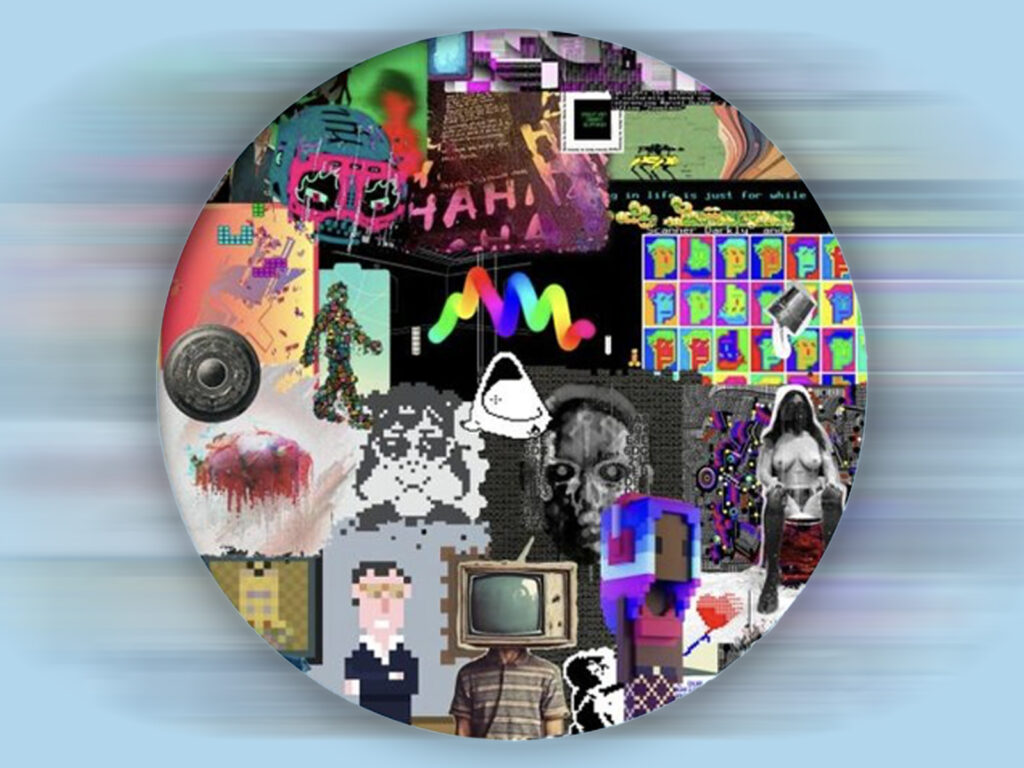
The occasion is a first. The Francisco Carolinum began collecting blockchain-based art in 2021, among the earliest museums to do so, and the collection has grown continuously since. This exhibition presents this collection comprehensively for the first time, showcasing work on Ethereum, Tezos, and Bitcoin blockchains. The museum emphasizes works, series, and projects it has realized in collaboration with artists. Selected physical pieces stand in dialogue with their digital counterparts, a reminder that this digital art field has never been confined to the screen.
I find the curatorial premise particularly encouraging. The museum treats blockchain not merely as infrastructure on which works are stored, but as an artistic medium in its own right: smart contracts as material, code as practice, works conceived and executed entirely on-chain. That is my understanding of this field, which I have also argued in my writing, and it is meaningful to see it anchored in a European museum collection.
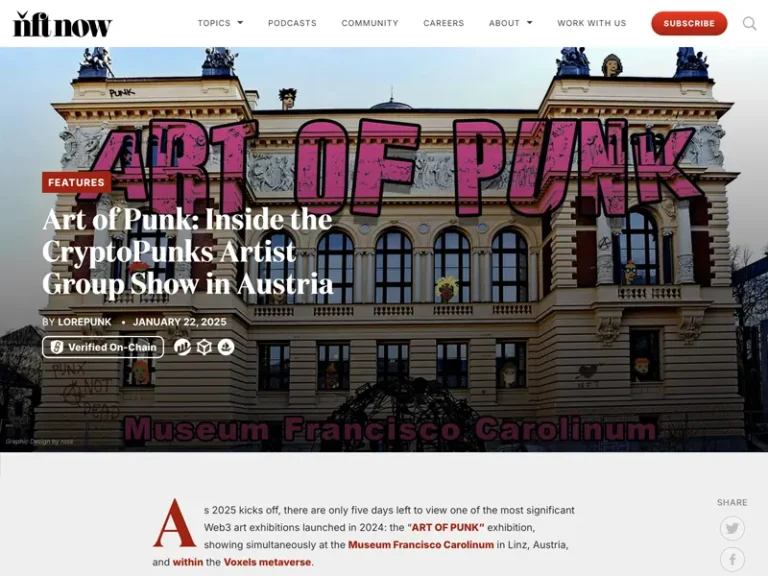
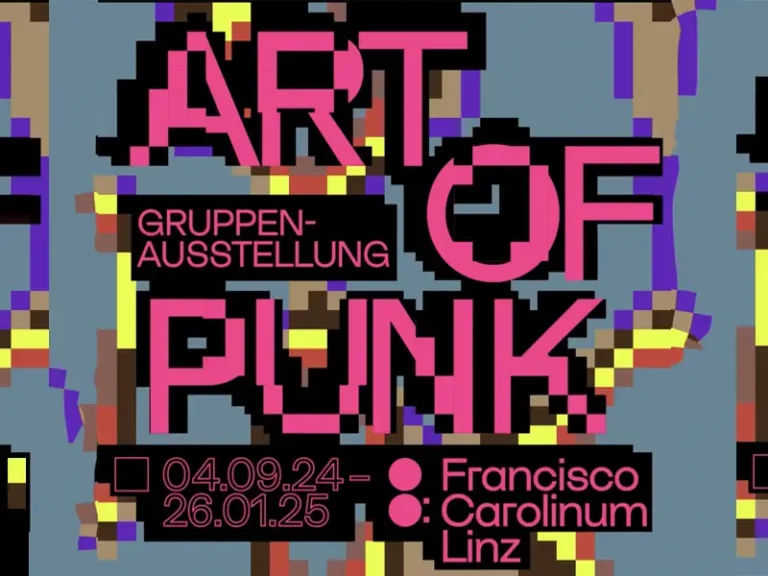
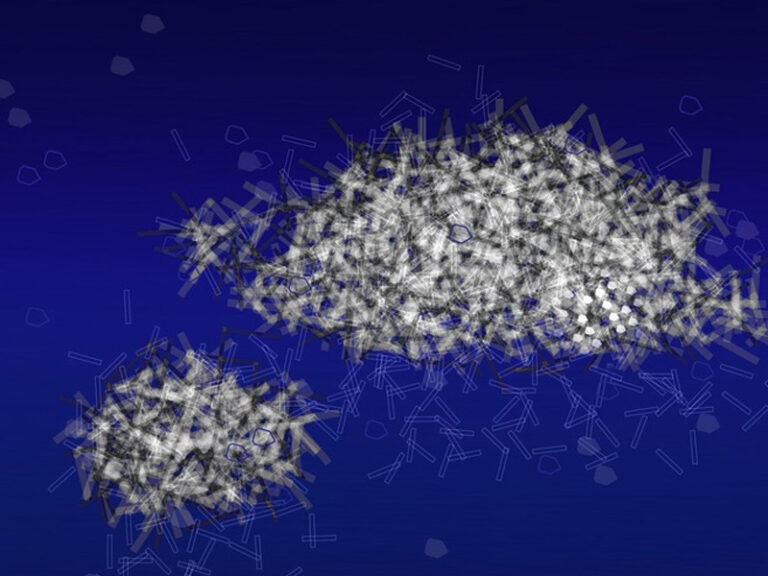
The exhibited work in the collection, Noctilucent Memento #142, is a sequential generative artwork from my 2023 series Noctilucent Mementi. With the help of SOVRN.art art released this curated collection exploring clouds, memory, and technology through generative methods, photography, and data. The piece entered the museum’s collection back in November 2025. Following my participation at the Art of Punk group exhibition is 2024, this collection exhibition marks my second showcase with the museum.
The three-chain structure of the exhibition also resonates with me personally. My own digital practice has moved across these ledgers. I initially started releasing work on Ethereum platforms in 2018, added a few editions and unique pieces on Tezos a few years later, and earlier this year, I experimented with recursive ordinals on the Bitcoin Blockchain. To have work enter a collection organized around that same plurality feels less like coincidence than a shared perception of how this field developed.
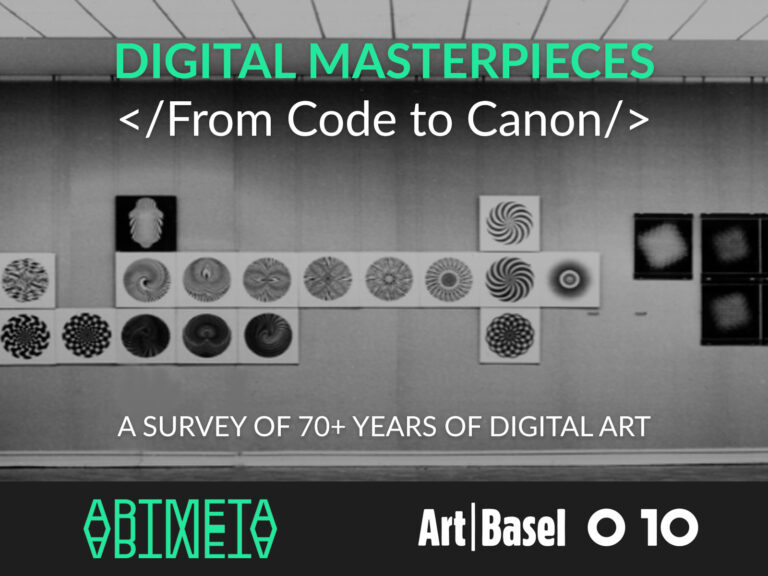
The company is remarkable. The participating artists span pioneers of generative and net art such as Casey Reas, Rafaël Rozendaal, and Jennifer and Kevin McCoy, defining figures of crypto art including Larva Labs, Kevin Abosch, Rhea Myers, Harm van den Dorpel, and Primavera De Filippi, and contemporary voices from Refik Anadol and Yawanawá to Auriea Harvey and Sasha Stiles, among many others. Several of these artists have also participated in the Protocol chapter of Digital Masterpieces: From Code to Canon showcase at Art Basel. It is a quiet pleasure to see the same lineages assembled again, this time within a museum’s context.
Alongside the presentation in Linz, the collection can also be explored in the museum’s virtual space in the Cryptovoxels metaverse, a second venue with its own perspective on the holdings.