This year marked my sixth participation as an artist at the Bitcoin Conference in Las Vegas, the annual gathering organized by Bitcoin Magazine and the world’s largest event of its kind. Returning to The Venetian for another year, I continue to find the conference one of the best places where the technical, financial, and cultural threads of Bitcoin converge in the same room. For an artist whose practice sits precisely at that intersection, it remains essential ground.
A New Home for the Art Gallery
What made this year distinct was the context in which the art was shown. For the first time, the conference’s art gallery operated under the Bitcoin Museum and Art Gallery (BMAG), Bitcoin Magazine’s newly formed arts-and-culture division. The gallery has been a fixture of the conference for years; formalizing it as a dedicated division signals something I have watched slowly build over my six years attending: that Bitcoin culture now takes its art seriously enough to give it an institution of its own.
Within its dedicated gallery on the conference floor, BMAG also launched its brand-new e-commerce and live auction system, allowing works to be viewed, bid on, and acquired directly, with payment in Bitcoin and other methods. I want to express my support here for auction systems built natively for this space. Provenance, transparent bidding, and verifiable ownership are not features to be bolted on after the fact; they are the reason many of us came to this technology in the first place. A gallery that builds its market infrastructure to the transparency standards the space already expects is a gallery moving in the right direction, and it is encouraging to see that principle put into practice on the conference floor rather than left as an ideal.
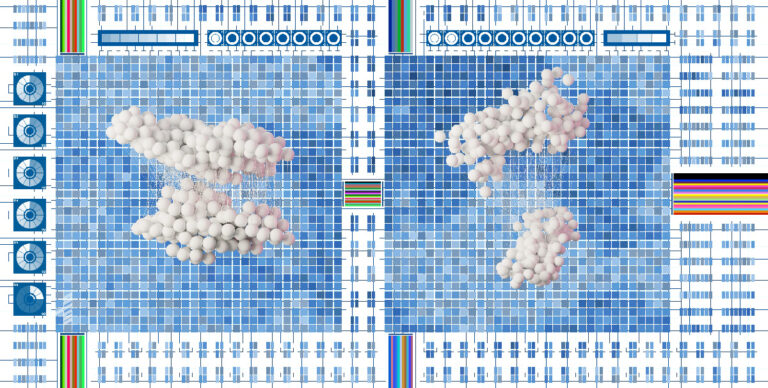
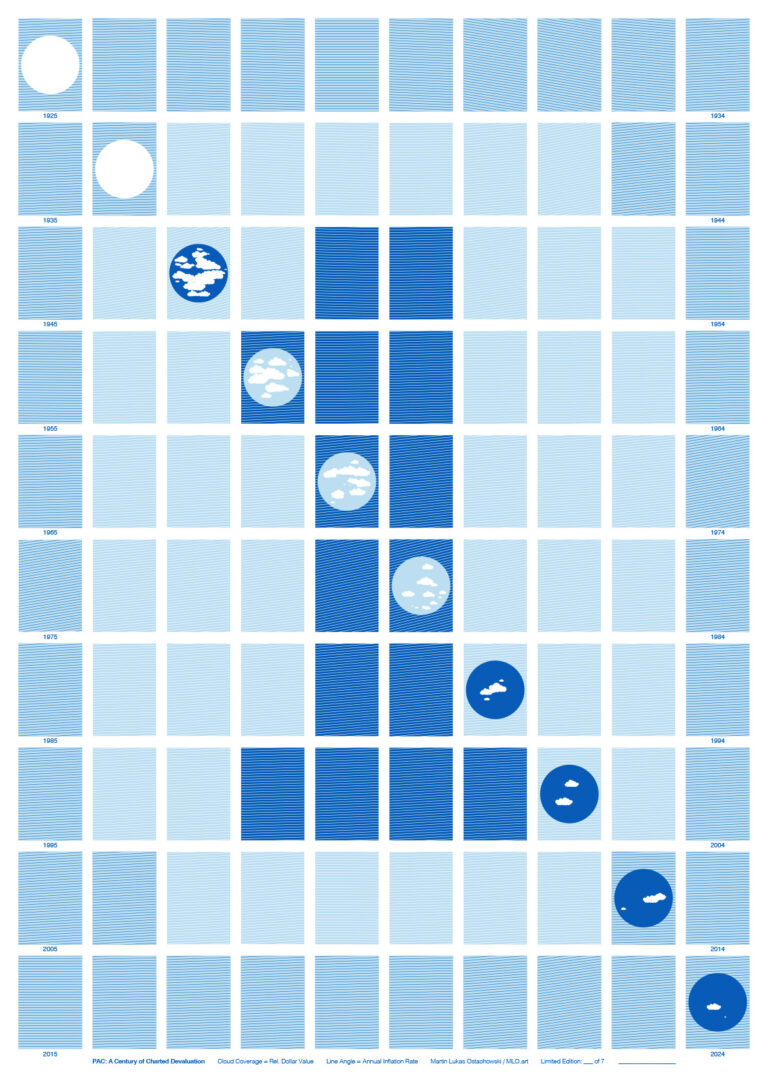
My relationship with the museum runs a little deeper than this year’s gallery. Since the Bitcoin Museum opened in Bitcoin Magazine’s building in Nashville, my installation, POW-2 Digital Dollars Now with Expiry Feature, has been on permanent display there, and it will soon be complemented by several additional works that have entered the museum’s collection. To have a body of work held and shown by an institution dedicated to Bitcoin’s culture is a quiet kind of milestone, and one that has made returning to the conference each year feel less like visiting and more like coming back to something I am part of.
Do Not Accumulate
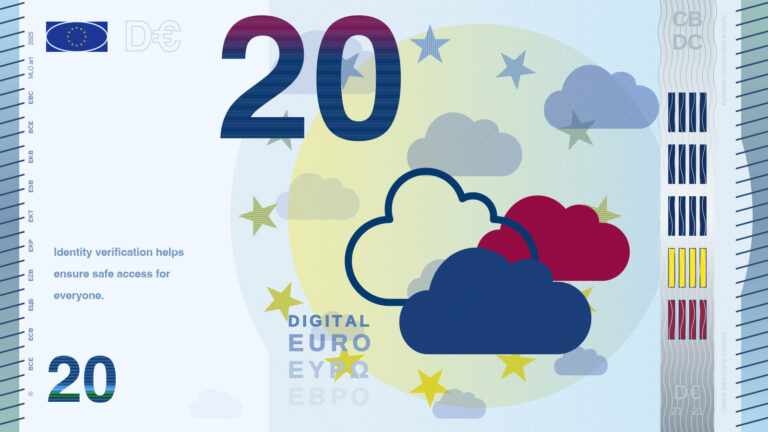
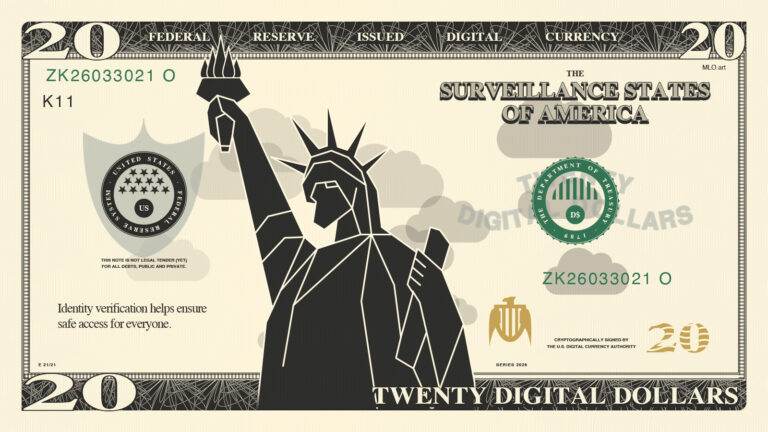
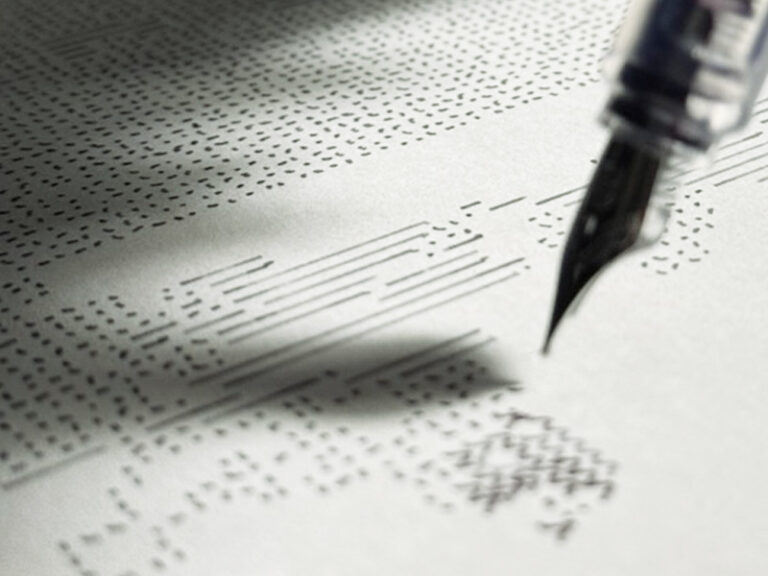
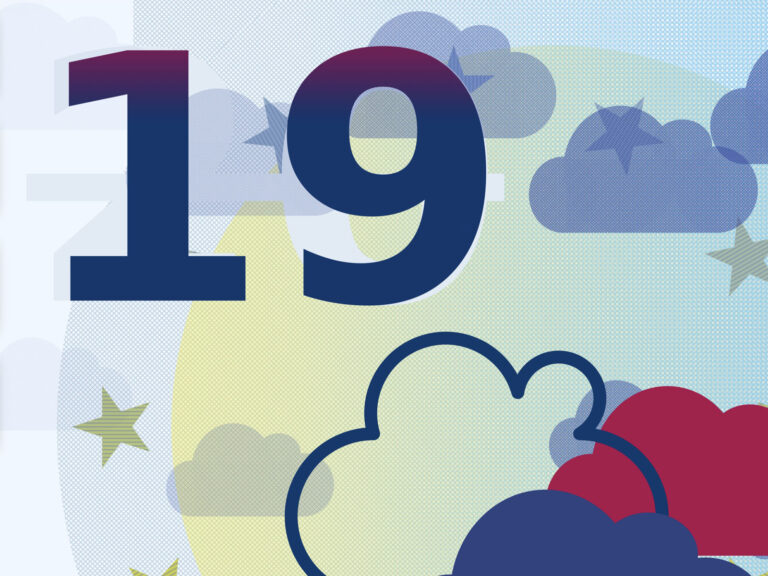
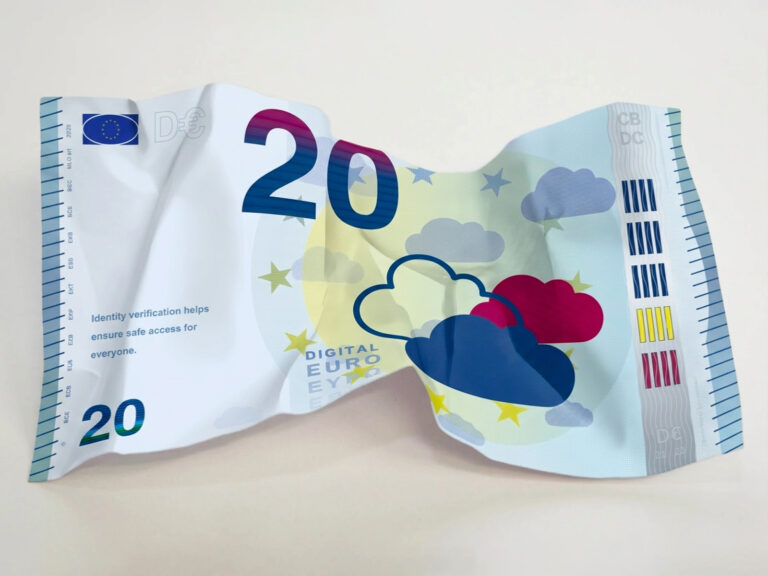
The work I brought to Las Vegas this year was my new recursive ordinal series, Do Not Accumulate. The series imagines a near future in which programmable Central Bank Digital Currencies have replaced physical cash, rendering that future as a set of banknotes that erode over a demurrage cycle and surface the warnings a state-controlled currency could one day carry. I chose to foreground this work because I feel the conversation around CBDCs remains far too quiet, given how quickly the underlying policies are advancing, particularly in Europe. If Bitcoin is the answer to programmable-state money, then the question deserves to be presented clearly, and that is part of what the series sets out to do.
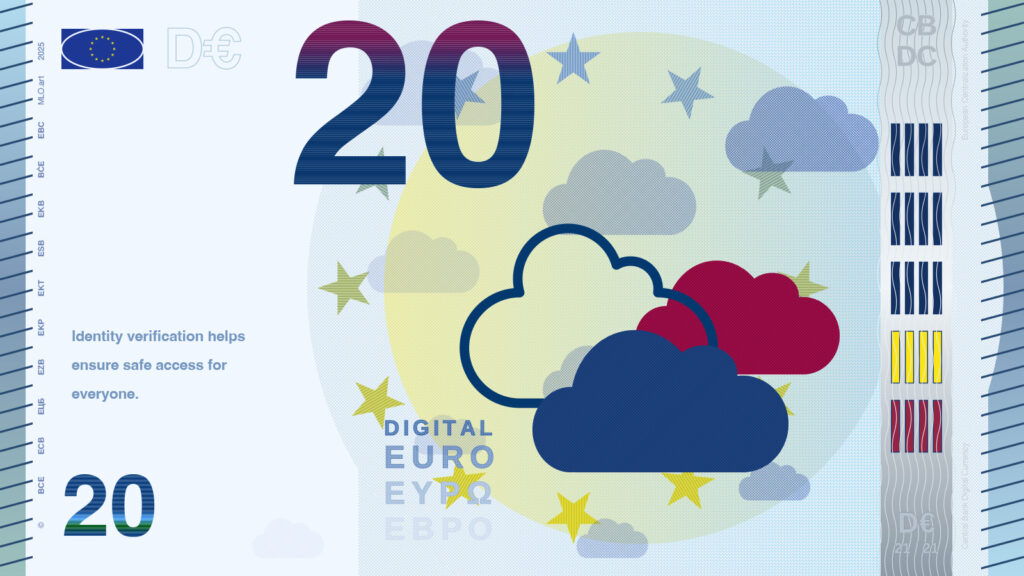
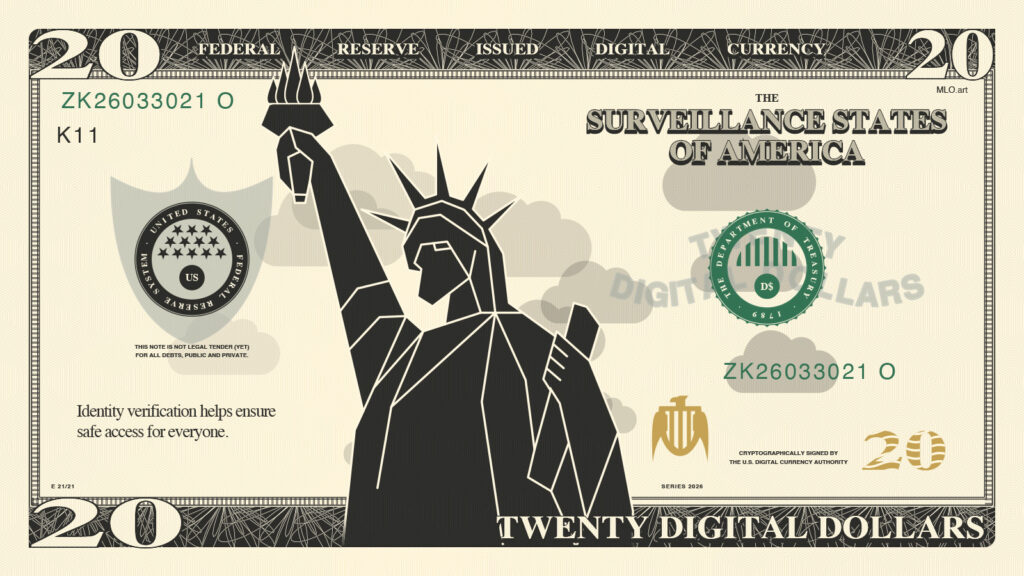
Showing an ordinal series at the conference also placed the work inside a live and, at times, contentious debate within the Bitcoin protocol itself: whether Bitcoin should be used for purposes beyond peer-to-peer money, art and inscriptions among them. Proposals such as BIP-110 and the broader discussion around what belongs on the base layer are unresolved, and I do not pretend they are simple. But I find it a healthy debate to sit inside as an artist. The question of what Bitcoin is for is not only technical; it is cultural, and the answer will be shaped in part by what people choose to build and make on it.
Meeting the Team Behind BIT
One of the most rewarding moments of the week was finally meeting the team behind BIT: History of Bitcoin, the ambitious art book by the collective Smashtoshi. After several years of corresponding at a distance, it was a genuine pleasure to sit with the people building the project in person. The book gathers 128 original artworks, each by a different artist, and pairs them with a researched timeline of Bitcoin’s history, so that every pivotal moment is reimagined through an individual artistic lens and grounded in first-hand research. I was able to experience the finished object firsthand, and the craft that has gone into it is remarkable.


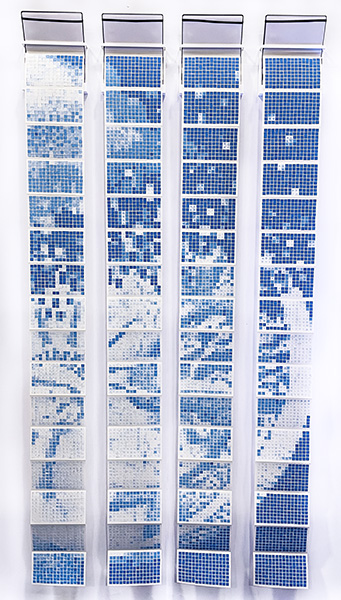
I am honoured to be one of the artists featured in the book. The team had also mounted a wall installation at the conference, presenting a selection of artworks from the history, and among them was my work, Genesis Days. Seeing it hung alongside the contributions of so many artists I admire, within a project whose whole purpose is to preserve Bitcoin’s story through art, was a reminder of why I do this work. The book is built with the kind of symbolism that runs through the best of this space: an edition capped at 2,140, the year the final bitcoin is expected to be mined, with a fragment of Bitcoin’s original source code distributed across the run so that the full set collectively holds the complete codebase. Proceeds support My First Bitcoin, the open-source education non-profit.
Why I Keep Returning
Six years is long enough to watch a scene change. When I first showed work at the conference, crypto art was still arguing for its right to be taken seriously. This year, with a formalized museum and gallery division, a native auction system built to the standards of the space, an open protocol debate about what Bitcoin can hold, and projects like Smashtoshi documenting the movement’s own history through art, the argument feels increasingly settled. The work now is not to justify that art belongs here, but to build the institutions, the markets, and the records that will carry it forward.
That is the through-line of my own practice, and it is why the conference continues to matter to me. Bitcoin is not only a monetary network; it is a cultural one, and its culture is still being written. To spend another year among the people writing it, and to add my own work to that record, is a privilege I do not take for granted.