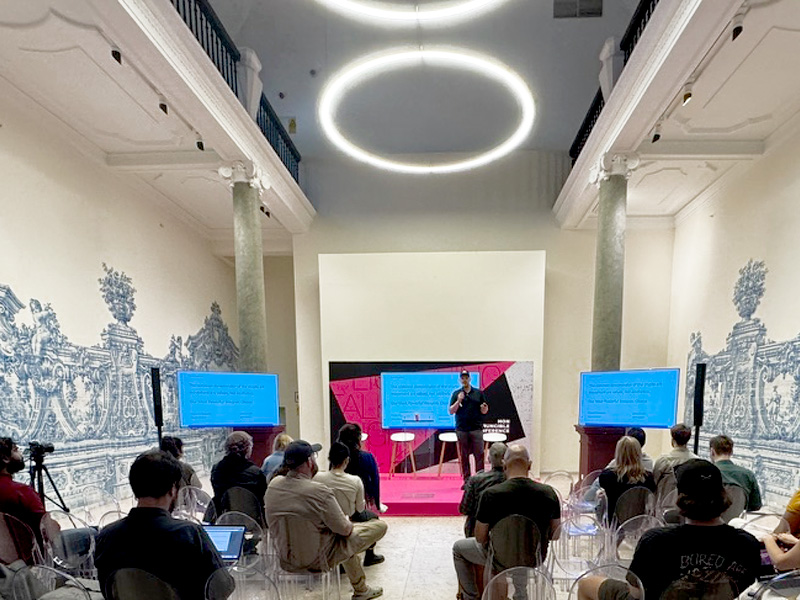
I had the pleasure of speaking at the NFC Summit in Lisbon, Portugal, held at the Carlos Lopes Pavilion, a gathering that brought together artists, technologists, and thinkers shaping the future of digital art. My talk, titled “A Web3 Renaissance Is Yet to Come,” reflected on the evolution of crypto art, the shifts in our ecosystem, and the values that continue to define it.
You can watch my recorded talk from Lisbon or read a summary of my thoughts below.
Standing at the intersection of art and technology, we often find ourselves poised to change and challenge the systems around us. To understand where we are headed, it helps to look back, far back, to another moment of upheaval and rebirth.
The Renaissance was a revolt against the concentration and abuse of power. It was a time when artists, scientists, and thinkers collectively pushed back against dogma and centralized control, then embodied by the Church and the gatekeepers of knowledge. It planted the seeds for dispersing authority and dismantling monopolistic structures.
Centuries later, the Web3 Renaissance began as a similar revolt, this time against the opaque hierarchies of the traditional art world: the tiered gallery systems, conservative art institutions, and the social media monopolies that dictate visibility.
The Ideals of Early Crypto Art
When I joined the space in 2018, it was full of ideals and optimism. White papers echoed promises to “bank the unbanked,” democratize the arts, and create new models of ownership. Crypto art wasn’t just about technology, it was an exciting grassroots movement.
Early platforms emerged with a shared purpose: to grant access to artists, challenge established art institutions, and decentralize opportunity. There was genuine collaboration, open dialogue, and a sense that we were building something profoundly different.
At early conferences, panels discussed inclusion and growth, not profits. Artists were exploring how to integrate blockchain into their creative practices, and how the traditional art world might evolve in response.
The Turning Point
Then came the $69 million sale in 2021, the moment that opened the floodgates. Suddenly, new people poured in: artists, influencers, web2 entrepreneurs, and opportunists. The result was a massive influx of money, but it arrived before the space had established its values.

New marketplaces were sprouting weekly. Many turned to venture capital to scale. While the capital accelerated technical progress, such as larger file sizes, new formats, and better infrastructure, it also shifted their priorities. The focus moved from fostering artistic communities to meeting KPIs and investor expectations.
Curation on marketplaces changed visibility and profit replaced purpose. Even traditional corporations began acquiring platforms: eBay bought KnownOrigin, and overnight, artists from U.S.-sanctioned countries were excluded, a stark reminder of how quickly decentralization can fold back into the very systems it sought to replace.
A Misunderstood Renaissance
During this period of explosive growth, the term “Web3 Renaissance” became popular, but I often wondered if it truly reflected what was happening.
In the historical Renaissance, the shift was from collective faith toward individual humanism, a celebration of personal perspective and self-determination. But perhaps the Web3 Renaissance requires the opposite: a movement back toward the collective good.

Instead of reinforcing new monopolies, whether influencers, venture-backed projects, or centralized platforms, our challenge is to build systems that nurture the many, not the few. Our most powerful weapon is choice.
The Web3 Renaissance Yet to Come
Education is where our efforts must now focus. We need to ensure that the next wave of artists, developers, and collectors understand the core values that started this movement.
Why decentralization matters. Why centralized private blockchains aren’t ideal, even less for cultural capital. Without this understanding, we risk losing ground to the very forces we once challenged.
That’s why I believe the Web3 Renaissance, the true one, is yet to come. It will begin not with another bull run or record sale, but with a renewed commitment to education, collaboration, and shared values. Only then can we truly change and challenge, as the Renaissance once did.
Closing Thoughts
This talk also inspired two artworks derived from the slides I created for the presentation:
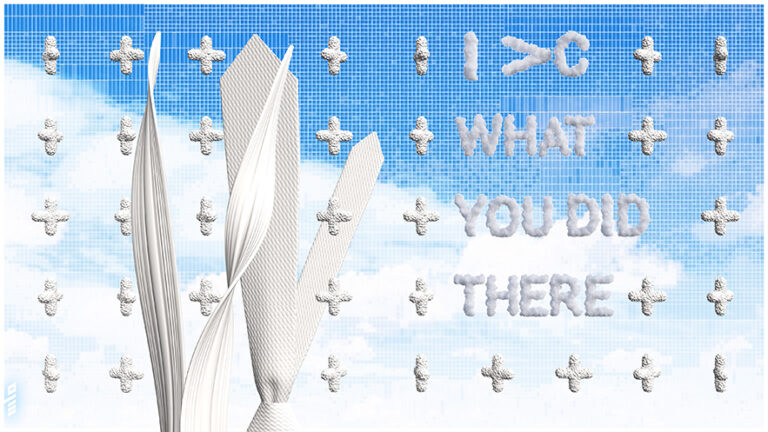
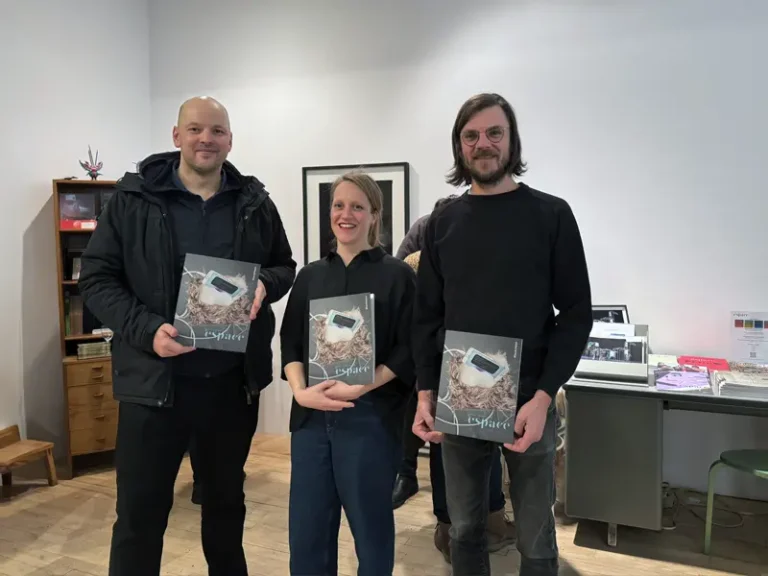
The first, From Grass Roots to Tie Loot, visualizes the transition of the early grassroots movement of crypto art into what increasingly resembles a corporate playground. The piece was showcased at the Miami Digital Art Fair and later published in the Canadian art journal Espace Art Actuel.
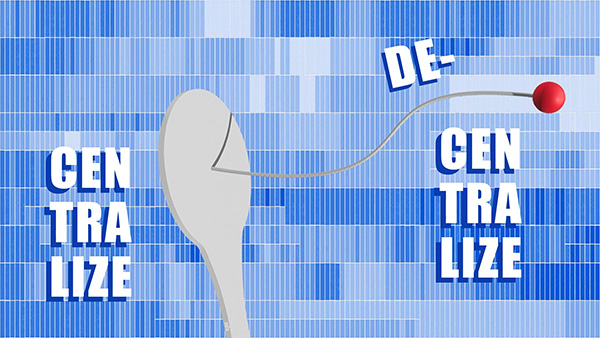
The second, De-Centralized Loop, was developed to support my argument that the initial growth of the crypto art space centered around decentralization, censorship resistance, privacy, inclusion, and self-sovereignty. Yet, in recent months, this focus appears to be shifting. We are witnessing venture capital-led consolidations, the rise of opportunistic influencers, and a movement toward private, centralized marketplaces and blockchains. In the pursuit of trends and short-term gains, the foundational values that once defined the space seem to be eroding.