
Art on the Chain exhibition at the Nikola Tesla Technical Museum
New group exhibition Art on the Chain at the Nikola Tesla Technical Museum in Zagreb, Croatia.
New group exhibition Art on the Chain at the Nikola Tesla Technical Museum in Zagreb, Croatia.

Join me in Marfa, Texas, for a SOVRN.art pop-up gallery celebrating the Noctilucent Mementi series.

Art OnO Seoul was my first art fair experience, full of highlights and a few lessons learned.
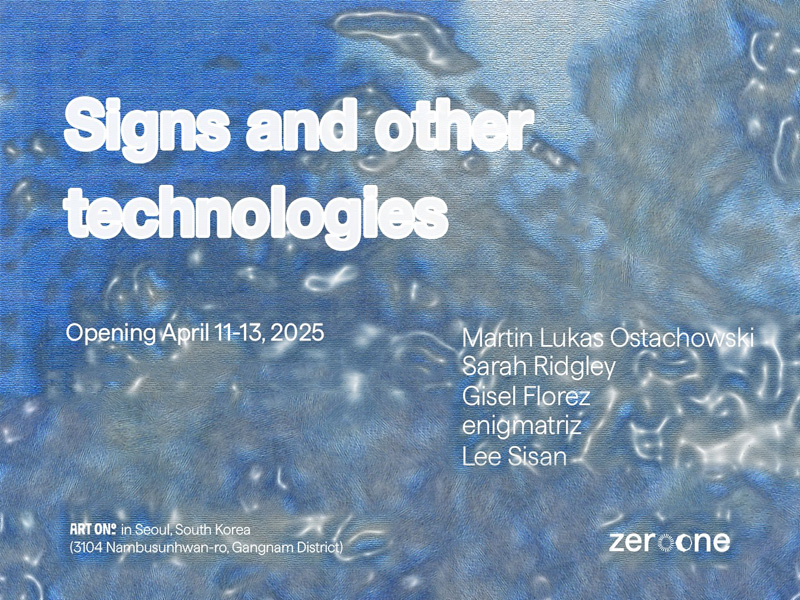
Looking forward to joining ZeroOne for the Signs and Other Technologies showcase at the Art OnO fair in Seoul, South Korea.
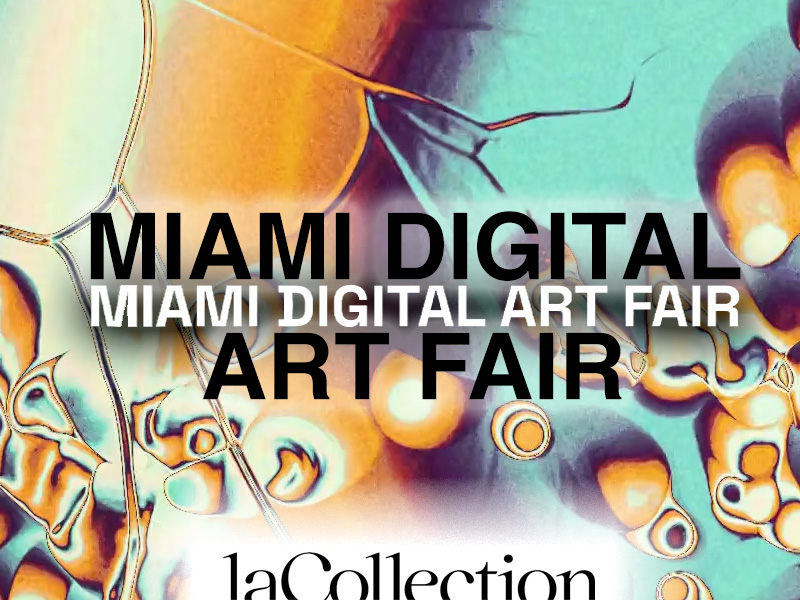
Thrilled to share that my artworks are being showcased by LaCollection at the Miami Digital Art Fair.
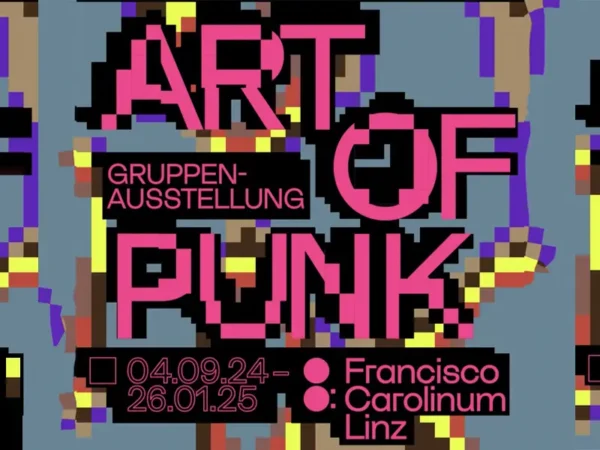
Excited to announce that my work will be featured in The Art of Punk group exhibition at the Museum Francisco Carolinum in Linz.
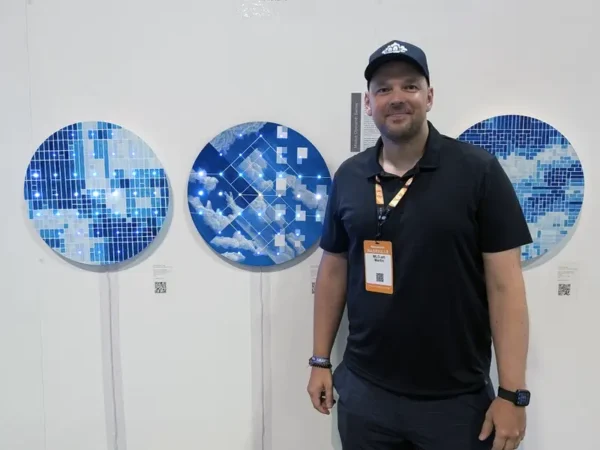
I had the pleasure of returning for the fourth time to the Bitcoin Art Gallery, which this year was hosted in Nashville, TN.
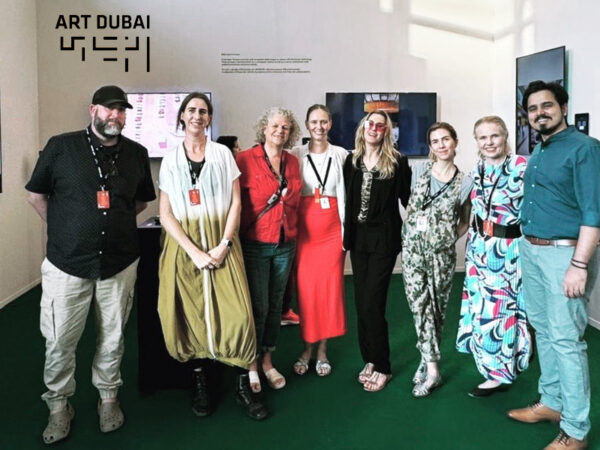
I participated in MORROW collective’s {R(Evolutionaries);} showcase at Art Dubai Digital 2024.
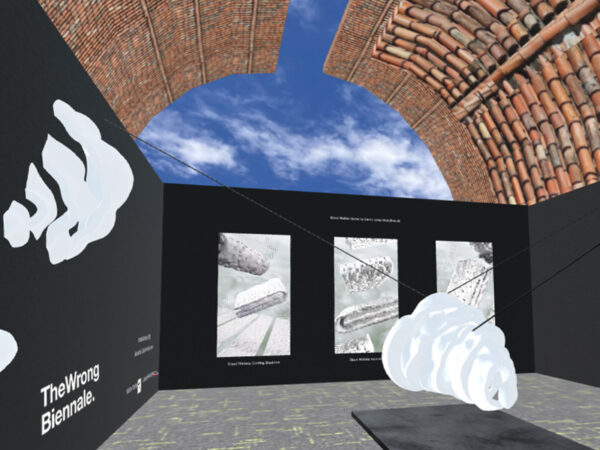
I collaborated with Techspressionist artists to participate in this year’s edition of the Wrong Biennale.
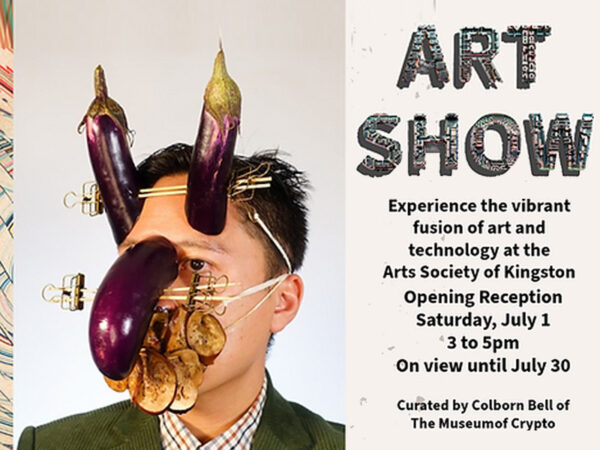
… and Blockchain Technology curated by Colborn Bell of the Museum of Crypto Art and Joe Mangrum
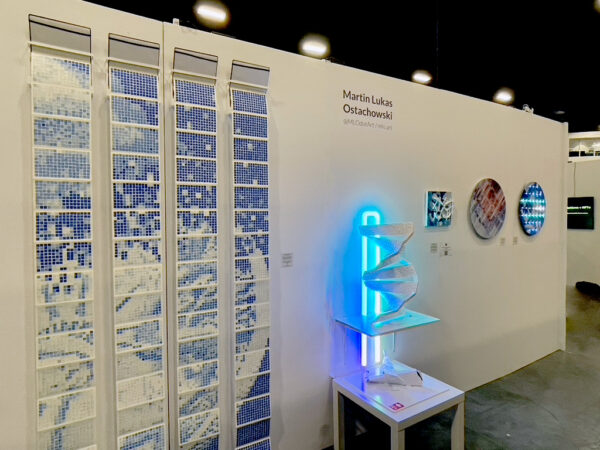
Third Miami, FL edition of the Bitcoin Art Gallery during the Bitcoin 2023 conference.
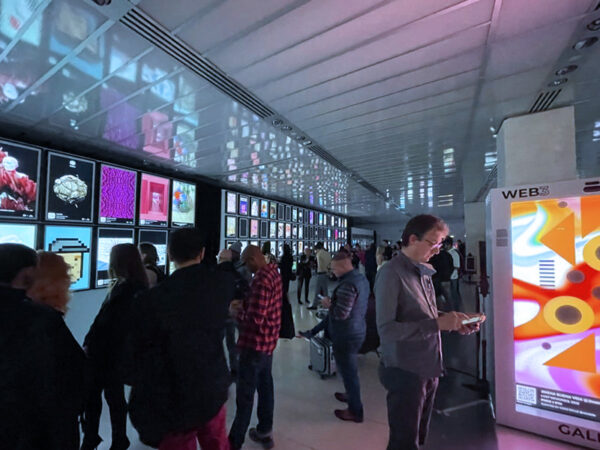
CADAF hosted its 5th digital art fair at the Web3 Gallery in New York and featured three of my artworks.
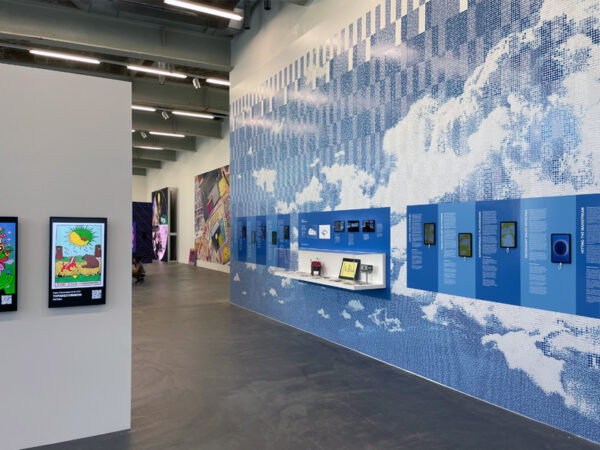
I created an installation for an institutional group exhibition at the Kunsthalle Zurich curated by Nina Roehrs.
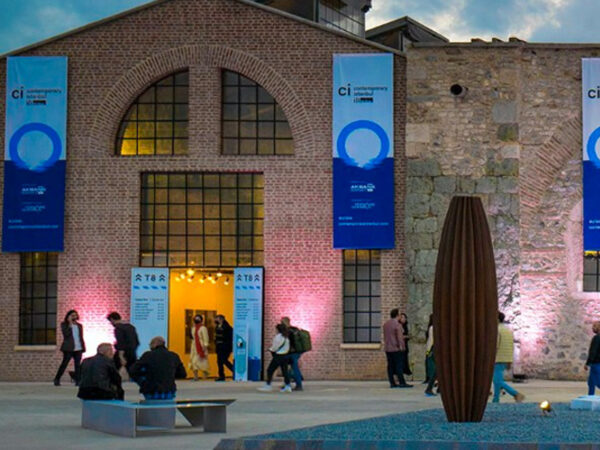
The Museum of Contemporary Digital Art curated a group exhibition and conference during the Contemporary Istanbul art fair.
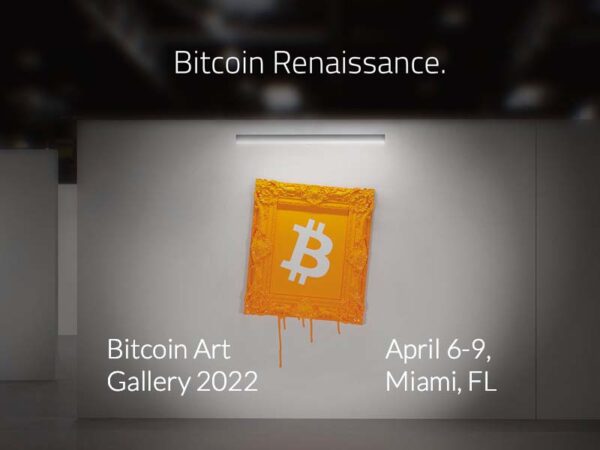
I will be exhibiting at the Bitcoin Art Gallery during the Bitcoin 2022 conference in Miami, Florida.
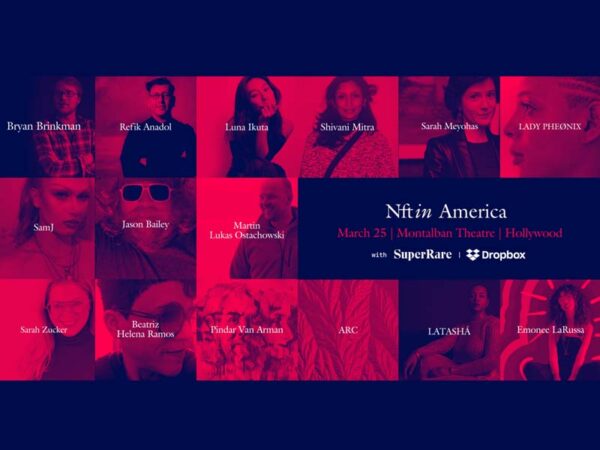
I was invited to speak at the NFT in America conference at the Montalbán Theater in Hollywood, California.
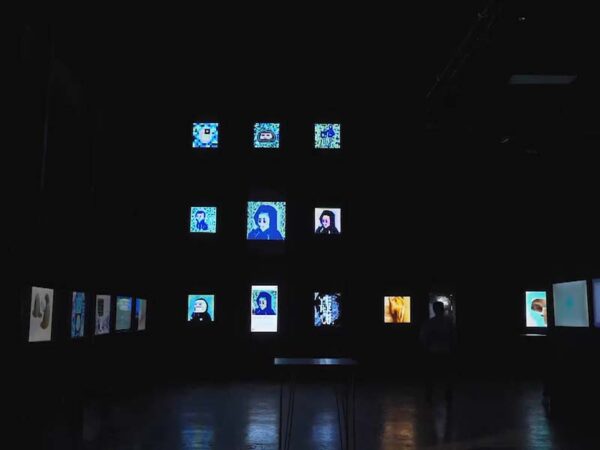
Icons of Crypto Art highlighted the works of 30 pioneering crypto artists at the Dubai Design District.
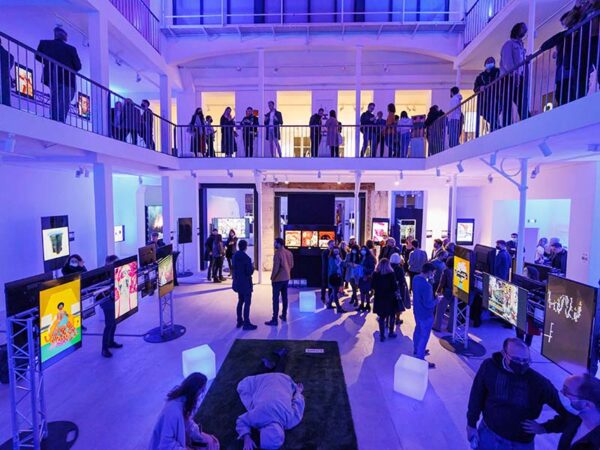
MoCA’s Crypto Art showcased two of my artworks and my curated history at Joseph Gallery in Paris.
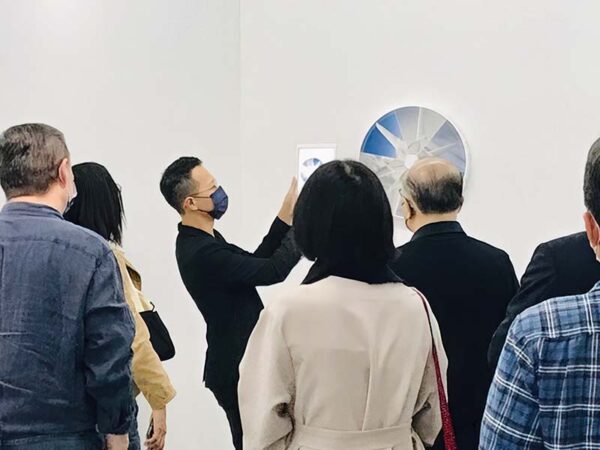
New group exhibition curated by Feng-Yi Chu at the Solid Art gallery in Taipei, Taiwan.
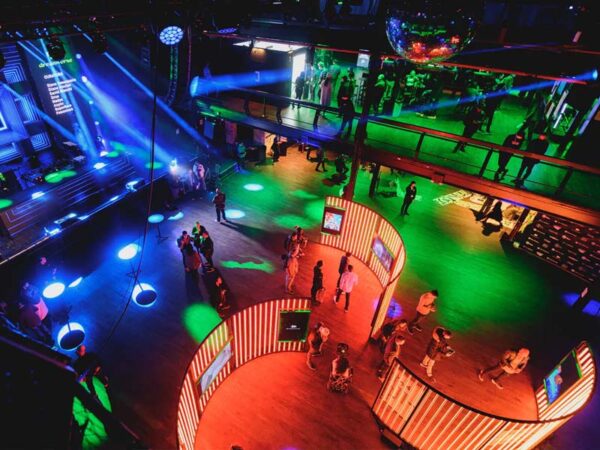
I exhibited and live-painted at the Metaverse Festival at Terminal 5 in New York.
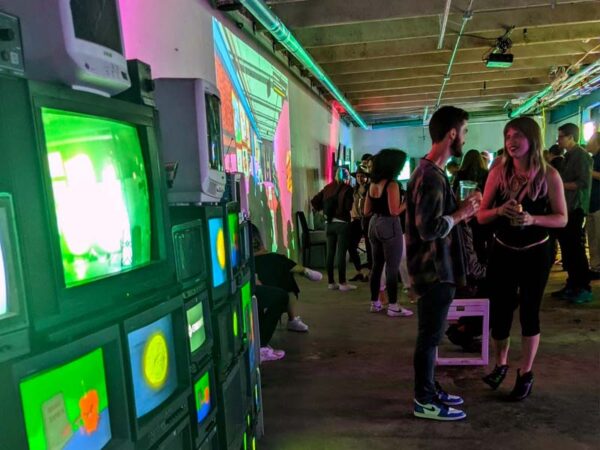
IRL Art and the Museum of Crypto Art invited ten artists to revisit pieces in the collection collaboratively.
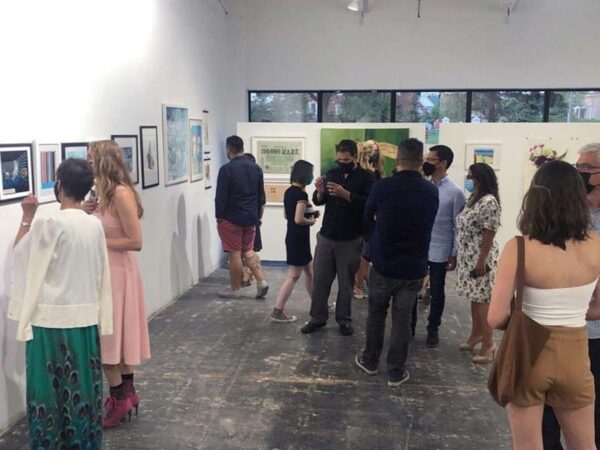
Papier showcased innovative paper artworks at Esperanto gallery in Markham, ON.
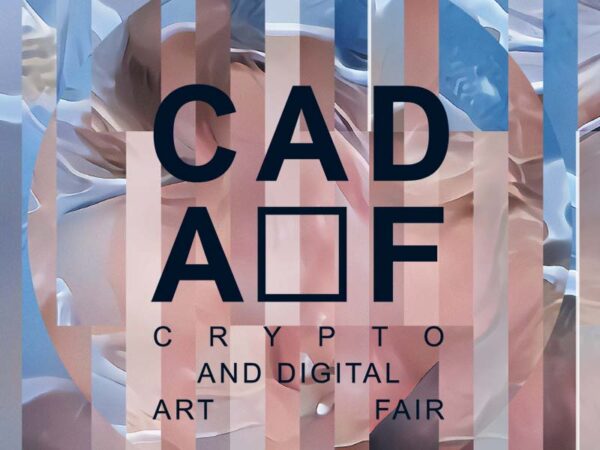
I exhibited at the Paris edition of CADAF, the art fair dedicated to digital and contemporary art.
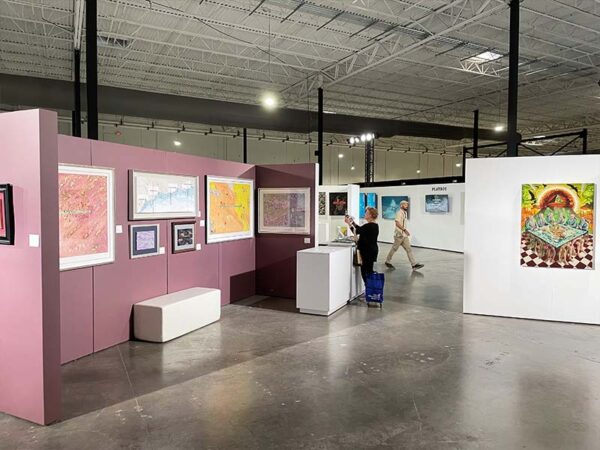
Bitcoin Art Gallery was an international showcase of Bitcoin artists during the Bitcoin 2021 conference.
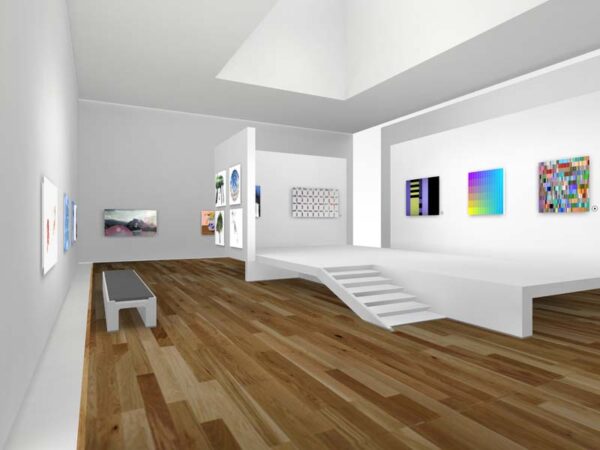
NFT Now is an international snapshot of the state of the NFTs curated by Anne Spalter.
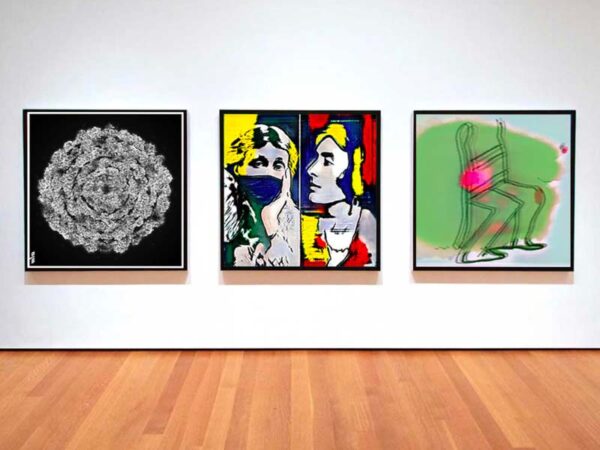
Curated group exhibition featured seven artworks created using the Playform AI platform.
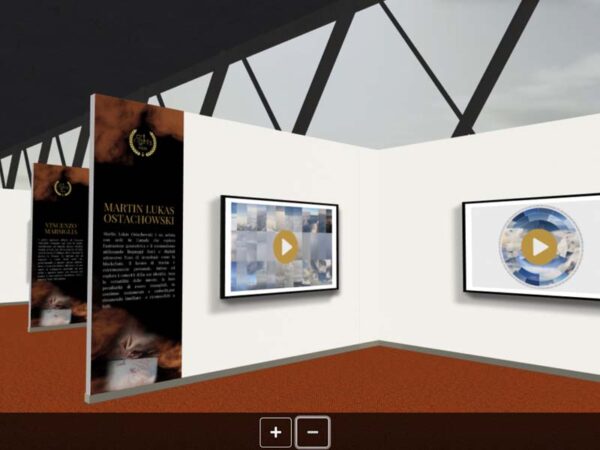
Art Rights Prize hosted a group exhibition with the 100 finalists across four categories.
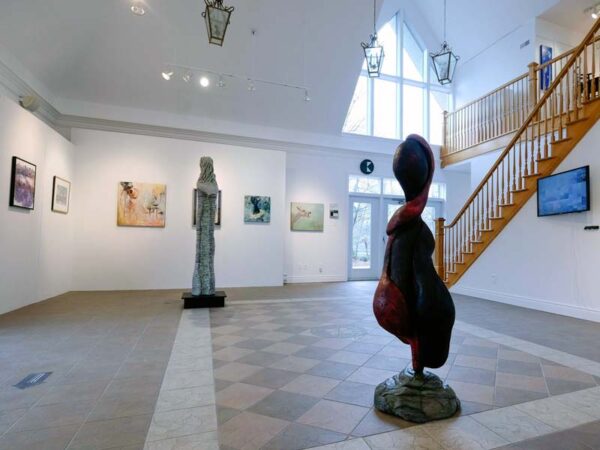
New group exhibition Le figuratif défiguré at the Maison des arts et de la culture in Brompton, Sherbrooke, QC.
I showcased nine new artworks at the CADAF Contemporary and Digital Art Fair.
SuperRare digital art marketplace curated a group exhibition for its 2nd anniversary in the Cryptovoxels metaverse.
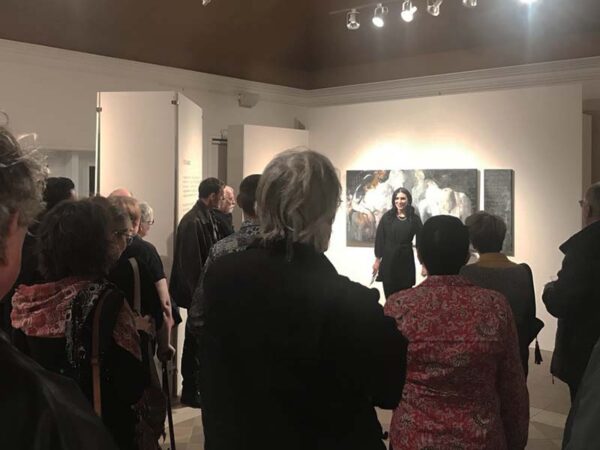
Group exhibition “Texte & Image” at the Maison des arts et de la culture Brompton, Sherbrooke.
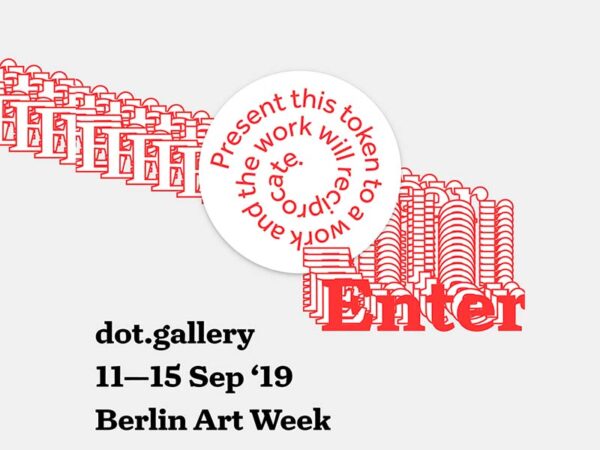
Dot Gallery curated a group exhibition for its platform launch during Berlin Art week.
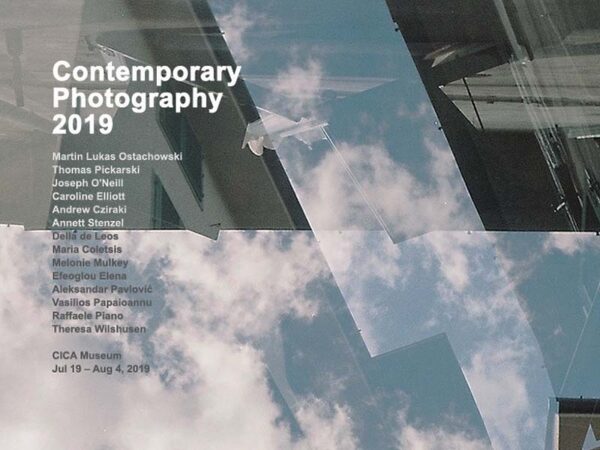
The CICA Museum hosted an international group exhibition of photo-based artworks in Gimpo-si, South Korea.
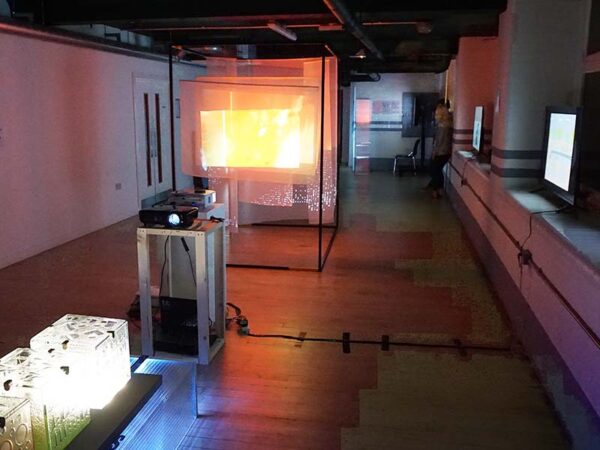
KnownOrigin hosted the first Digital Art Festival at Federation House in Manchester, UK.
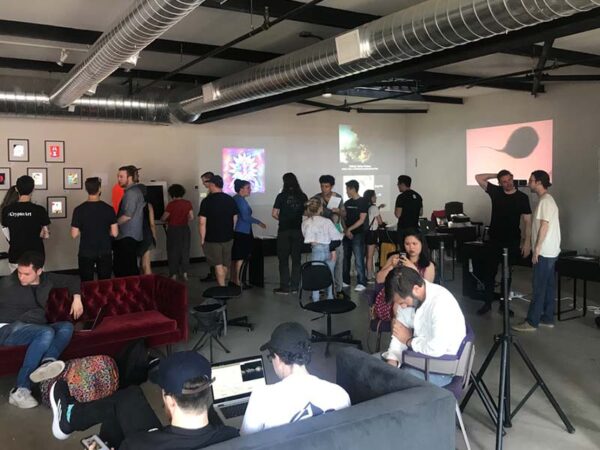
I exhibited fourteen artworks during the 2nd iteration of the RAREAF at the Bushwick Generator.
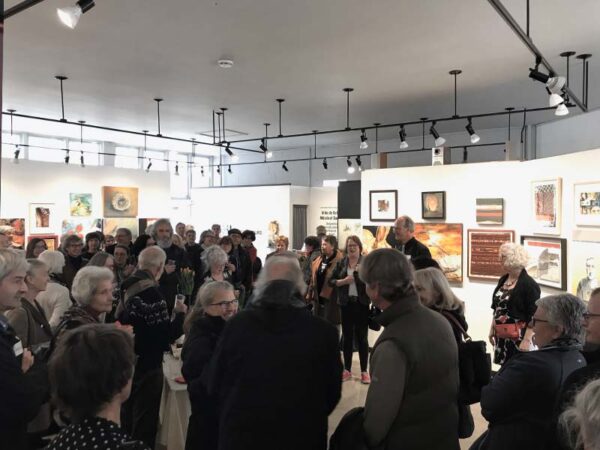
Group Exhibition of the Art Sutton Spring Art Contest in Sutton, QC.
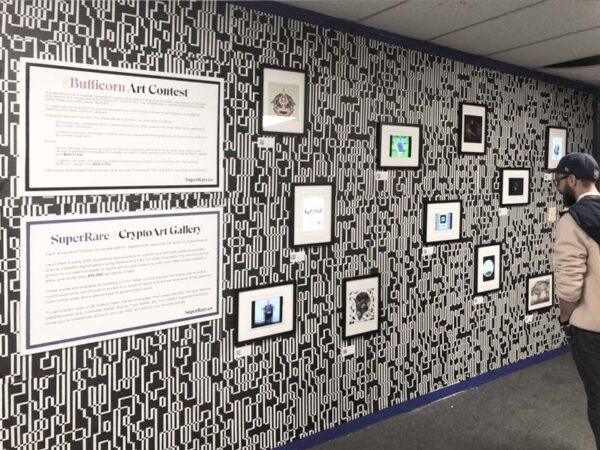
The digital art marketplace SuperRare hosted a crypto art gallery at Ethereum Denver.
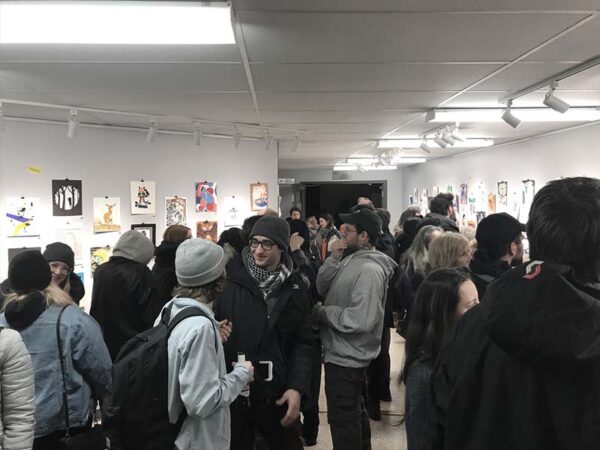
Pigments hosted this affordable art fair at the Françoise-Dunn Cultural Centre in Sherbrooke.
Hackatao’s solo exhibition included a survey of current crypto artists and featured my artwork.
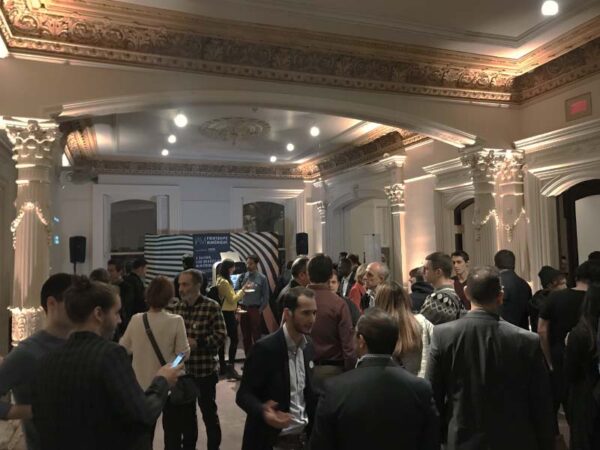
I was invited to exhibit during Printemps Numerique at the Canadian Centre for Architecture.
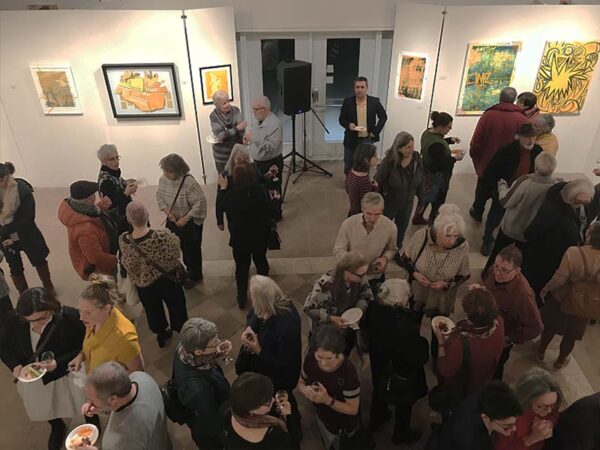
Group exhibition “Dare Yellow” at the Maison des arts et de la culture Brompton, Sherbrooke.
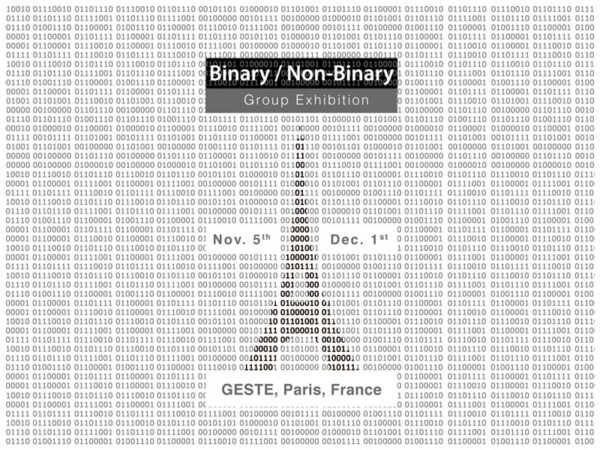
I exhibited at the experimental photo- and video-based group exhibition in Paris, France.
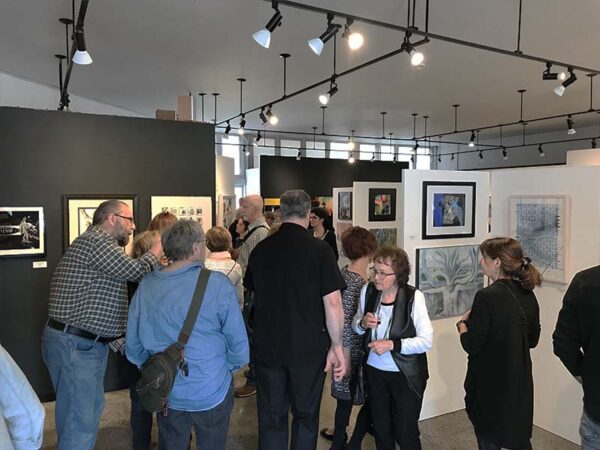
Group exhibition of the spring contest at the Art Sutton Gallery in Sutton, QC.
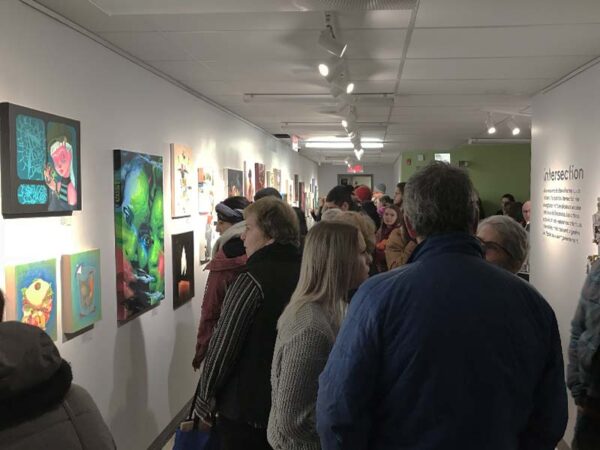
Intersection featured 35 artists in Sherbrooke at the Françoise Dunn Cultural Centre.
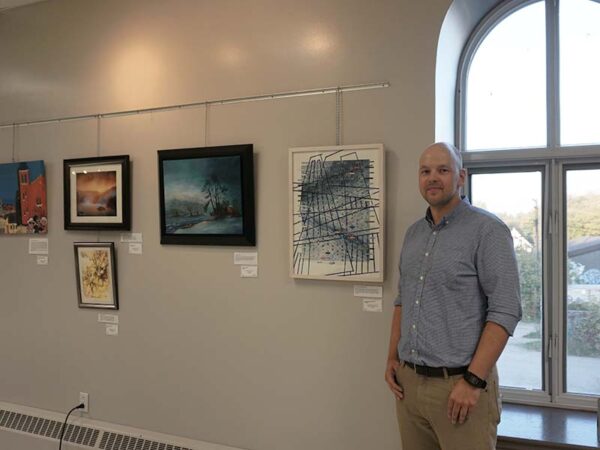
The new travelling group exhibition visually celebrates Canada’s 150 anniversary in seven venues in Quebec.
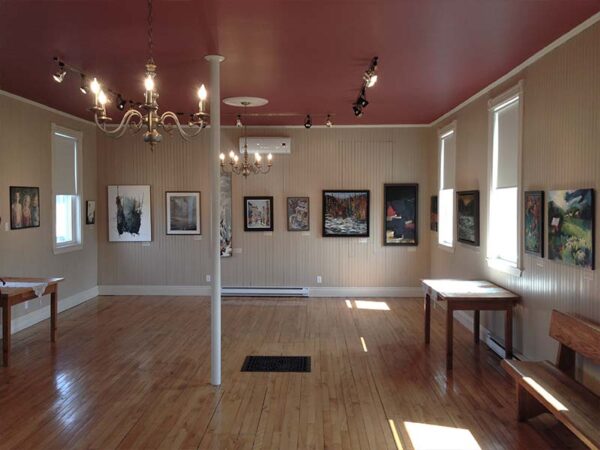
New group exhibition at the Station des Arts in Thetford, QC
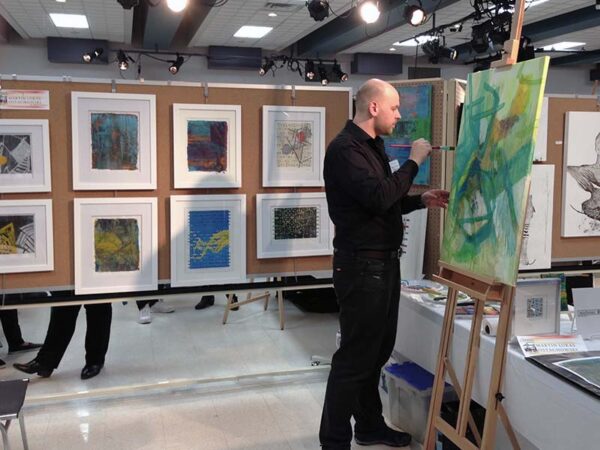
I exhibited and live-painted at the Symposium de Peinture in Thetford, QC.
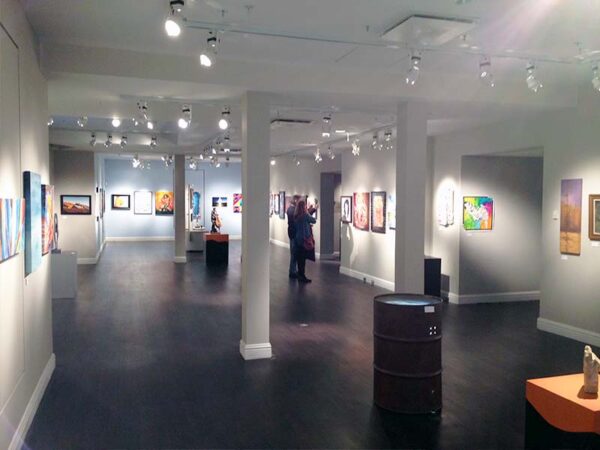
Finalists exhibition of the Vibrations art contest at the Marius Barbeau Museum in St-Joseph-de-Beauce.